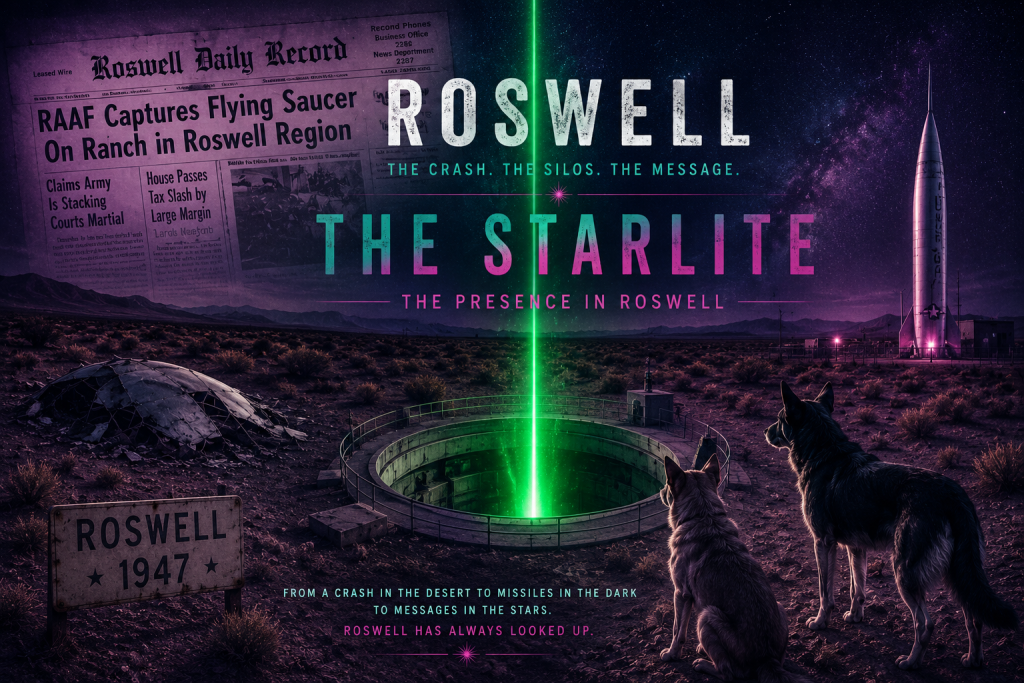
The Starlite: The Presence in Roswell: From UFO Festival to a Forgotten Missile Silo in the Desert
NVus Alien Productions traveled to New Mexico for the annual Roswell UFO Festival, expecting the usual experience: filming, interviews, speakers, and exploring the history surrounding one of the world’s most famous UFO cases.
Instead, through a series of strange synchronicities, intuitive decisions, wrong turns, forgotten items, unexpected conversations, and perfect timing, we ended up somewhere we never planned to go.
An abandoned nuclear missile silo in the desert.
Roswell, Corona, and the Story That Wouldn’t Stay Buried.
Before Roswell became a name synonymous with UFOs, aliens, government secrets, and decades of speculation, it was just a quiet stretch of New Mexico desert.
And technically, the story did not begin in Roswell at all. It began near Corona, New Mexico.
In July 1947, rancher Mac Brazel discovered strange debris scattered across his property. He later described finding unusual material unlike anything he recognized, and eventually the discovery made its way to the nearby Roswell Army Air Field.
What happened next created one of the most famous reversals in modern history.
On July 8, 1947, the Roswell Army Air Field issued a press release announcing that personnel from the 509th Bomb Group had recovered a “flying disc.”
The headline exclaimed: RAAF Captures Flying Saucer On Ranch in Roswell Region.
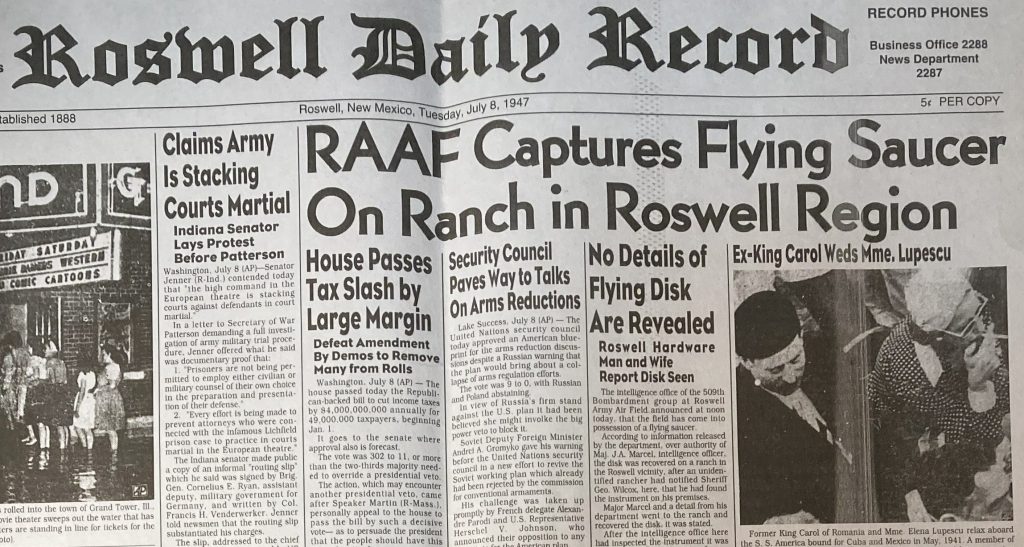
For one brief moment, the United States military appeared to confirm the impossible. Then, almost immediately, the story changed.
Major Jesse Marcel, the intelligence officer who helped recover the debris, was sent to Fort Worth Army Air Field, where officials presented the material to reporters and announced it was not a flying disc after all. It was a weather balloon. The explanation ended the news frenzy, at least temporarily. But it did not end the questions.
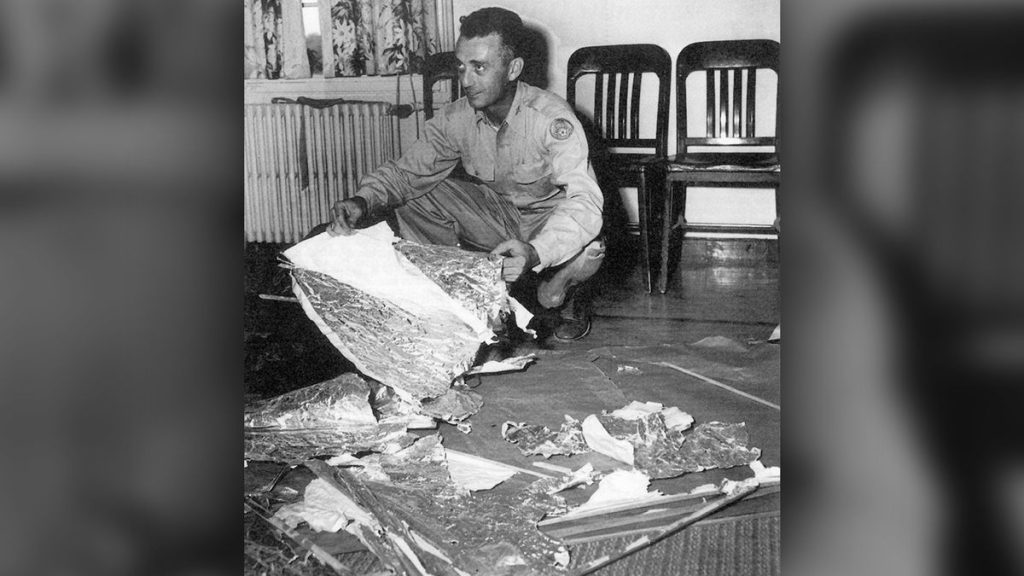
Years later, Marcel publicly stated he believed the material he recovered was not an ordinary balloon. Other witnesses came forward with stories of unusual debris, intimidation, and something much larger happening in the desert.
Stories emerged of a second crash location, recovered bodies, and non-human occupants allegedly transported through military channels. Some accounts claim the recovered material and bodies were first taken to Roswell Army Air Field before being moved to Wright Field, later Wright-Patterson Air Force Base in Ohio.
The military has denied recovering extraterrestrial craft or beings, and later investigations concluded the debris was part of Project Mogul, a classified program using high-altitude balloons designed to detect Soviet nuclear tests.
What often gets lost beneath the alien imagery and UFO mythology is that Roswell was not some random desert town. It was home to one of the most important military installations of its era.
Roswell Army Air Field, later Walker Air Force Base, was home to the 509th Bomb Group, the only atomic bombing group in the world at the time. This was not a sleepy little airstrip.
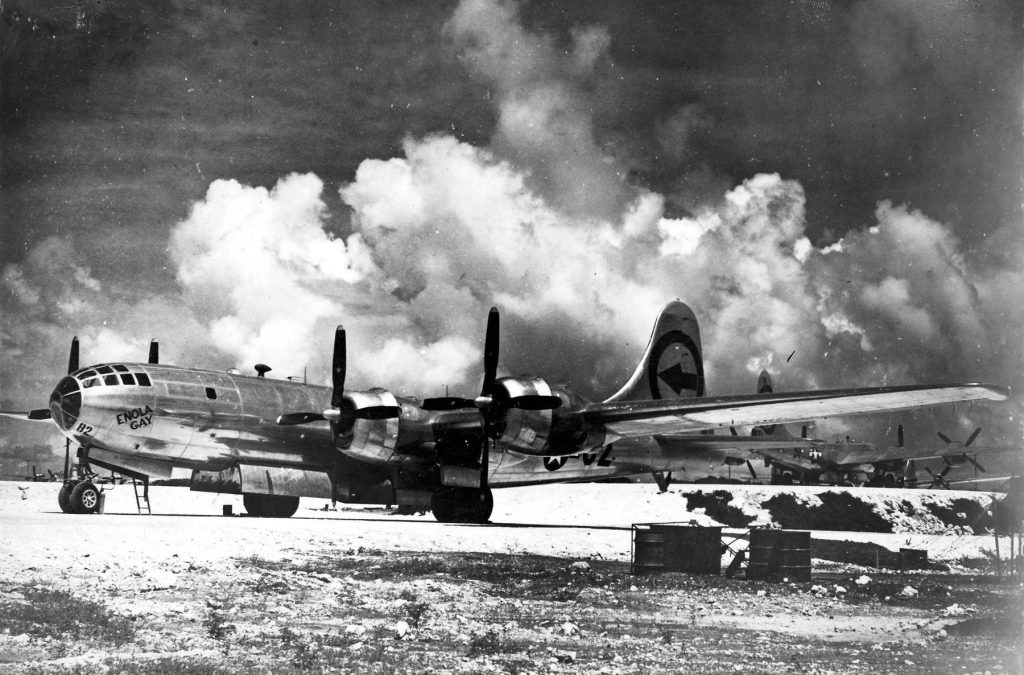
This was where some of America’s most classified technology and military operations lived. And decades after the crash story began, Roswell’s connection to secrecy, technology, and the sky would continue.
Walker Air Force Base and the Atlas Missile Silos
During the Cold War, Roswell became part of America’s nuclear defense network. Walker Air Force Base housed the 579th Strategic Missile Squadron, which operated twelve Atlas F missile silos around the Roswell area.
They are often described as forming a ring around Walker AFB. Looking at a map, it is not a perfect circle, but the purpose was strategic: to separate hardened missile sites surrounding the base rather than to rely on a single vulnerable location.
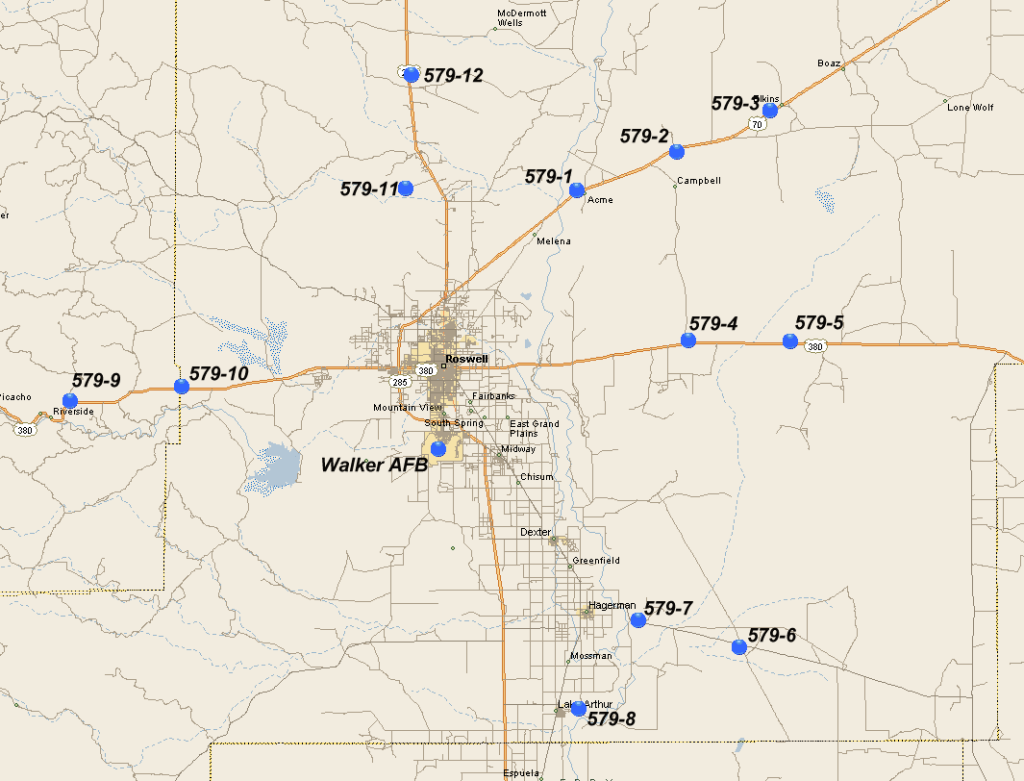
Each silo housed an Atlas F intercontinental ballistic missile.
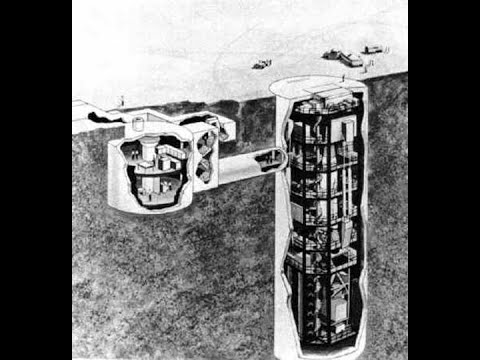
These were not small facilities. They were massive underground structures designed for survival:
- a vertical missile silo buried deep underground
- enormous blast doors
- a launch control center
- living and operational spaces
- hardened construction meant to withstand attack
The Atlas F program itself was short-lived. The Roswell sites became operational in the early 1960s and were decommissioned by 1965 as newer missile technology replaced them.
Then something unexpected happened. The government sold them. These former nuclear launch facilities, places built during one of humanity’s most intense periods of fear and technological competition, were released into civilian hands. Regular people bought pieces of the Cold War.
Some became storage sites.
Some sat abandoned.
Some became homes.
And one became something much stranger. A machine designed to launch destruction was transformed into a laser that sent messages into the sky.
From Nuclear Launch Site to Cosmic Messenger
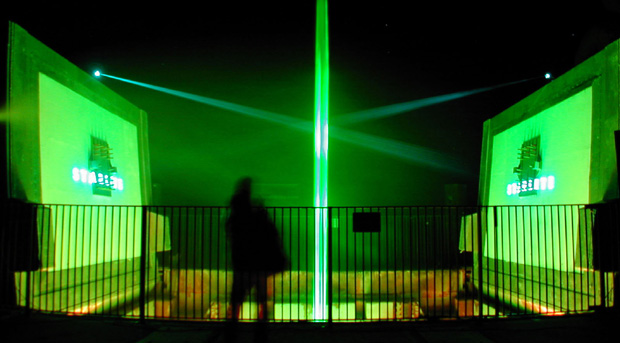
In 1999, one of the old Atlas missile silos outside Roswell was given a very different mission.
The former Atlas-F missile site had been built during the Cold War as part of America’s nuclear defense system. These underground giants were designed to survive an attack and launch a missile carrying a nuclear warhead. The silo itself reached nearly 185 feet underground, with a massive steel and concrete structure hidden beneath the New Mexico desert.
When the Atlas program ended, the missiles disappeared. The silos remained. Sealed. Silent. Buried pieces of the Cold War.
Until The Starlite.
The creators of the project had a strange and ambitious idea: What if you could take a place originally designed to send destruction across the planet and transform it into something designed to send messages beyond it?
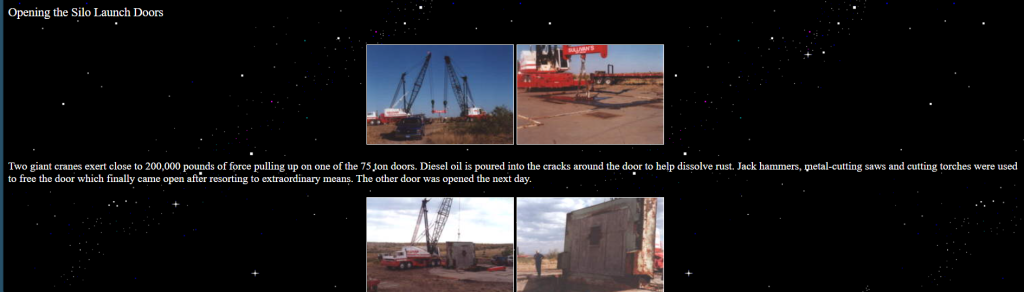
A weapon system became a communication system. But first, they had to wake the silo back up. The original launch doors, weighing approximately 75 tons each, had been closed since the 1960s. Opening them was not as simple as flipping a switch. The hydraulic systems that once moved them were gone. The doors were rusted shut.
According to archived Starlite materials, crews brought in massive cranes capable of exerting nearly 200,000 pounds of force. Diesel oil was poured into the cracks. Jackhammers, cutting tools, and torches were used.
The Starlite project, created by Light Messenger Inc., installed a powerful green YAG laser inside the former launch facility. Instead of launching a weapon upward, they would launch information.
Messages.
Human thoughts.
Pieces of ourselves.
The idea was simple but strangely profound. Visitors could write a message, which would then be converted into binary code, a sequence of ones and zeros. That information was translated into pulses of laser light and transmitted into space.
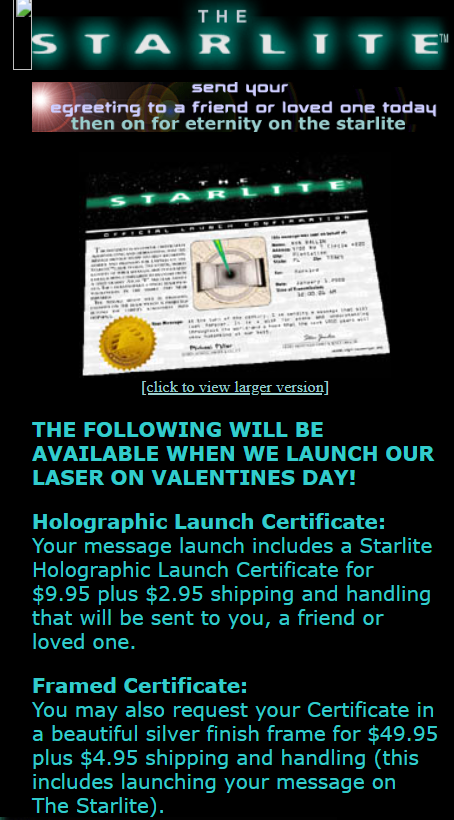
The technology shared ideas with optical SETI, a branch of the Search for Extraterrestrial Intelligence that explores whether advanced civilizations may communicate using light instead of radio waves.
For only a short time, the green beam of The Starlite rose out of the desert. Then the project disappeared. The website vanished. The company faded. The laser went quiet.
Today, most information about The Starlite survives only through archived pages captured by the Wayback Machine. A forgotten experiment sitting somewhere between science, art, curiosity, and the unknown.
Following the Presence
The strangest part of this journey was that none of this was planned.
We did not go to Roswell looking for silos or The Starlite. The synchronicities started before we even arrived.
Forgotten items.
A book.
Strange timing.
Unexpected encounters.
Then, as we entered Roswell, something ran across the road in front of the car. It was like a coyote-like animal. A desert trickster. We joked that maybe Roswell greeted us with a chupacabra. But as the days unfolded, animals, especially dogs, kept appearing as part of the pattern. The more we followed intuition instead of a schedule, the more the story opened. This is something we have experienced before during investigations.
We call it:
THE PRESENCE
The intelligence behind the strange. The thing that appears in different masks depending on where you are.
Sometimes it is Bigfoot.
Sometimes it is lights in the sky.
Sometimes it is coincidence after coincidence until coincidence stops feeling like the right word.
Maybe the phenomenon is not about finding one answer. Maybe it is about paying attention.
The Starlite: The Presence in Roswell
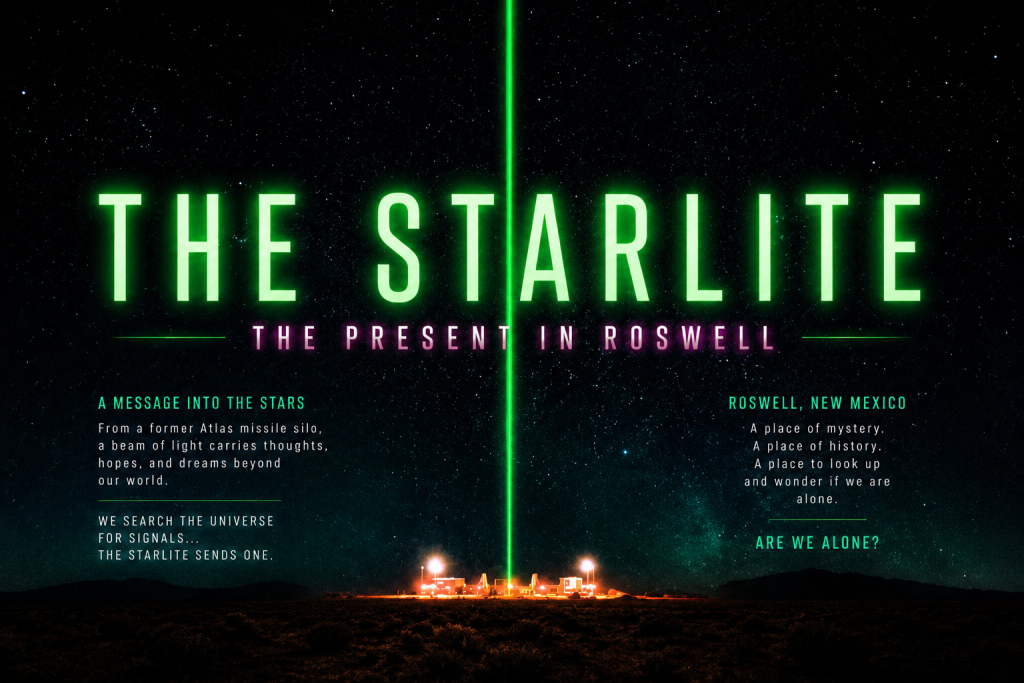
What began as a trip to the Roswell UFO Festival became something entirely different. A journey through layers: A crash story in the desert. A military base watching the skies. Twelve nuclear missile silos waiting underground. A forgotten laser sending human thoughts into space. And a question that has followed humanity forever:
When we call into the darkness…
Is something listening?
Coming soon from NVus Alien Productions:
The Starlite: The Presence in Roswell
Because sometimes you go searching for the phenomenon.
And sometimes it finds you.